SinoGreenTech Academic Portal
🏛️ Indexed Academic JournalOriginal: 环境工程学报

Chinese Journal of Environmental Engineering

Access authentic peer-reviewed engineering methodologies, experimental datasets, and scientific literature published in this journal on SinoTechIntel.

Total Research Papers: 146
Access: 100% Free Open Access
Browse by Publication Year & VolumeReset All Filters ✕

Published Research PapersFiltered: Year 2026 • 20 • 6

Showing 30 of 146 peer-reviewed papers with full Graphical Abstracts.

Original ResearchVol. 20, Issue 6 • pp. 100-112DOI: 10.12030/j.cjee.202511047Jan 15, 2026

Carbon Emission Accounting Method for Ultra-High Voltage Transmission Line Construction Considering Carbon Intensity and Activity Data Uncertainty

Authors: ZHANG Yujiao, LI Zhiqi, YANG Yanhui, HAN Yang, HUANG Xiongfeng, JU (Corresponding author: HUANG Xiongfeng)

Ultra-high voltage (UHV) transmission lines are critical infrastructure for China's energy strategy. Compared with conventional voltage lines, UHV lines exhibit nonlinear growth in resource and capital consumption, complex supply chains, and strong spatiotemporal heterogeneity in carbon emission factors, resulting in substantial and uncertain construction-phase emissions. Accurate accounting is essential for achieving carbon peaking and carbon neutrality goals in the power sector. To address issues of ambiguous system boundaries, weak characterization of input parameter uncertainty, and poor cross-year applicability of input-output carbon intensities, this study defines the accounting boundary using budget quotas and develops a hybrid life cycle assessment (HLCA) model. For easily traceable emission sources, process-based LCA (PLCA) is applied, with uncertainty analysis via distribution fitting and Monte Carlo simulation. For difficult-to-trace sources, input-output LCA (IO-LCA) is used with carbon intensity correction. A case study of a ±800 kV transmission line yields a construction-phase carbon emission intensity of 1,858.91 t·km⁻¹ (CO₂ equivalent), with a 95% confidence interval of [1,379.73, 2,486.45] t·km⁻¹. Sobol global sensitivity analysis identifies key emission reduction pathways. The method's validity is confirmed by comparison with existing studies, providing quantitative support for low-carbon design, construction optimization, and carbon auditing of UHV projects.

Carbon Emission Accounting Method for Ultra-High Voltage Transmission Line Construction Considering Carbon Intensity and Activity Data Uncertainty
Graphical Abstract
Original ResearchVol. 20, Issue 6 • pp. 100-112DOI: 10.12030/j.cjee.202502081Jan 15, 2026

Spatiotemporal Variation Characteristics of Coal Dust Pollution in the Baorixile Mining Area

Authors: GAO Sihua, HUO Jiangrun, LI Jing, ZHANG Jinpeng, FU Xiao, WANG Yujue, WANG Kewen

Coal dust from open-pit mining severely impacts the mining area and surrounding environment, exhibiting significant dynamic changes. However, quantitative assessments of the pollution extent and multi-timescale evolution remain insufficient. Based on the Google Earth Engine platform and Landsat TM/ETM+/OLI/OLI-2 and Sentinel-2 MSI imagery from 2001 to 2024, we retrieved the enhanced coal dust index (ECDI) and coal dust pollution levels. Combined with the mine lifecycle stages, we revealed the temporal and spatial variations of coal dust in the Baorixile mining area. Annual and monthly remote sensing retrievals were stacked to construct multi-year and intra-annual dust impact frequency (DIF) indicators, precisely quantifying the spatial extent and frequency of coal dust pollution. Results show that from 2001 to 2024, the interannual coal dust pollution experienced three stages: fluctuating increase, significant decrease, and stabilization. The average pollution degree peaked at 0.41 in 2010 and remained between 0.18 and 0.22 from 2016 to 2024. The spatial pattern improved, converging from widespread diffusion to the open-pit and bare coal accumulation areas. From 2019 to 2023, intra-annual pollution increased then decreased, with summer most severe, followed by autumn, spring, and winter. Based on annual retrievals, 6 periods of multi-year DIF (2001-2024) were generated at 4-year intervals. The maximum impact range (DIF≥1) first expanded then contracted significantly; the perennial impact area (DIF=4) shifted from the southeast to the central-western open-pit, indicating a notable migration of dust disturbance gravity and effective control. Based on monthly retrievals, 6 periods of intra-annual DIF (2019-2024) were generated at 12-month intervals. The intra-annual DIF showed a gradient decreasing from the core operation area to the periphery. High-frequency zones (DIF≥9) were stably concentrated in the open-pit. The affected area fluctuated downward from 88.14 km² in 2019 to 72.84 km² in 2024. This study provides theoretical and data support for scientifically understanding and monitoring the ecological status of mining areas and formulating dust suppression measures.

Spatiotemporal Variation Characteristics of Coal Dust Pollution in the Baorixile Mining Area
Graphical Abstract
Original ResearchVol. 20, Issue 6 • pp. 100-112DOI: 10.12030/j.cjee.202510060Jan 15, 2026

Removal Efficiency of Emerging Contaminants in Wastewater Treatment Plant Effluent by Gravel-Based Constructed Wetlands

Authors: HUANG Yangrui, CHEN Yasong, ZHAO Yunpeng, ZHAO Jian, JI Zehua, LIU Huijuan

Wastewater treatment plant (WWTP) effluent is a significant pathway for emerging contaminants (ECs) to enter natural water bodies. This study investigated the removal of ECs by two field-scale gravel-based constructed wetlands: a horizontal subsurface flow constructed wetland (QL-CW) and a surface flow constructed wetland (BL-CW), both treating actual WWTP effluent. The influence of operation mode and wetland plant type on EC removal was examined. Using liquid chromatography-mass spectrometry, principal component analysis, and ecological risk assessment, the removal efficiencies and mechanisms for various ECs were explored. In QL-CW, biodegradation was more pronounced, particularly via ammonia-oxidizing bacteria co-metabolism, favoring ECs with benzyl, secondary amine, secondary amide, tertiary amide, halogenated, and carboxyl functional groups. In BL-CW, electrostatic attraction and hydrophobic interactions were more significant, with plant and root-microorganism uptake and adsorption playing key roles. Surface flow mode achieved significantly higher removal of antibiotics (45.3% vs. 34.1%) compared to horizontal subsurface flow, while no significant differences were observed for non-antibiotic pharmaceuticals (66.6% vs. 64.4%) and pesticides (49.8% vs. 34.2%). Planting Cyperus alternifolius (windmill grass) was more beneficial for antibiotic removal (43.6% vs. 30.1%) than planting Ipomoea aquatica (water spinach). The wetlands effectively reduced the ecological risks of most ECs to marginal levels. This study provides insights into the deep treatment of ECs in WWTP effluent by constructed wetlands.

Removal Efficiency of Emerging Contaminants in Wastewater Treatment Plant Effluent by Gravel-Based Constructed Wetlands
Graphical Abstract
Original ResearchVol. 20, Issue 6 • pp. 100-112DOI: 10.12030/j.cjee.202511003Jan 15, 2026

Research Progress on Combined Stress Effects of Secondary Water Pollution from Tailings Dam Leakage on Aquatic Organisms

Authors: WANG Yuchen, XU Li, FENG Yanhui, ZHU Jialin, CAI Qijia, YAO Ling'ai, LIANG Rongchang, WANG Yuqi, XU Xuefeng, MA Qianli

Tailings dam leakage can cause secondary sudden water pollution events, imposing severe combined stress of high turbidity and heavy metal contamination on natural water bodies within a short period, threatening aquatic ecological security. Existing studies have systematically revealed the pollution characteristics and biological effects of such events, which are fundamentally distinct from natural high-turbidity water and industrial wastewater leakage. Compared with natural high-turbidity water, tailings leakage inputs finer particles with higher specific surface area, leading to more intense and prolonged turbidity stress. Meanwhile, heavy metals in tailings are more enriched than natural sediments, with higher proportions of active forms and bioavailability, causing significant bioaccumulation and toxic effects, and long-term decline in benthic community species richness. Compared with industrial wastewater leakage, tailings leakage simultaneously releases high concentrations of fine suspended solids and multiple heavy metals, forming a unique 'physical-chemical' combined stress. This synergistic effect amplifies biological toxicity through multiple pathways such as mechanical damage, light limitation, and oxidative stress, resulting in severe and often irreversible ecological damage, such as impaired fish swimming behavior and collapse of benthic community structure. Analyzing the long-term impacts of tailings leakage on aquatic ecosystems from the perspective of combined stress is helpful for providing scientific basis for emergency response and medium-to-long-term ecological risk prevention of related sudden water pollution events.

Research Progress on Combined Stress Effects of Secondary Water Pollution from Tailings Dam Leakage on Aquatic Organisms
Graphical Abstract
Original ResearchVol. 20, Issue 6 • pp. 100-112DOI: 10.12030/j.cjee.202511087Jan 15, 2026

Source Apportionment and Driving Factors of Heavy Metal Pollution in Paddy Soils Around a Mining Area Using PMF and XGBoost-SHAP Models

Authors: HU Jiaxue, LI Pei, SONG Shihong, WANG Xueping

Identifying the sources and driving factors of heavy metals (HMs) in paddy soils around mining areas is crucial for safeguarding regional agricultural production and food security. This study focused on paddy soils near a mining area in southern Jiangxi Province, integrating Spearman correlation analysis, positive matrix factorization (PMF), and extreme gradient boosting (XGBoost) coupled with SHapley Additive exPlanations (SHAP) to quantitatively apportion potential ecological risks, pollution sources, and driving factors. Results showed that mean concentrations of Pb, Ni, and Cu exceeded the soil background values of Jiangxi Province, except for Cr. The mean comprehensive potential ecological risk index (RI) was 17.4, with 25.7% of sampling sites exhibiting moderate risk, and Ni being the primary ecological risk factor. Source apportionment identified three main sources: natural background (51.1%), industrial and mining activities (26.6%), and a mixed source of agricultural activities and traffic emissions (22.3%). Spatial variation of Cr, Cu, and Ni was predominantly governed by soil physicochemical properties (Fe and P contents), whereas Pb distribution was significantly influenced by industrial and mining activities. The combination of PMF and XGBoost-SHAP effectively delineated sources and driving factors, providing a scientific basis for targeted soil management and pollution control in mining-affected agricultural regions.

Source Apportionment and Driving Factors of Heavy Metal Pollution in Paddy Soils Around a Mining Area Using PMF and XGBoost-SHAP Models
Graphical Abstract
Original ResearchVol. 20, Issue 6 • pp. 100-112DOI: 10.12030/j.cjee.202505106Jan 15, 2026

Effects of Different Fertilization Treatments on Soil Nutrient Availability and Microbial Response Mechanisms in the Baiyinhua Open-Pit Mining Area

Authors: SUN Guohao, LI Jingguo, QU Laiye, GOU Tienan, JIA Hongjun, YANG Ziyu, ZHANG Naili

Open-pit coal mining causes severe soil nutrient depletion, limiting vegetation restoration. This study, conducted in the Baiyinhua No.2 mining area (Inner Mongolia), evaluated the effects of different fertilization strategies on soil nitrogen (N) and phosphorus (P) availability and microbial community responses. A field experiment was established in May 2023 with five treatments: low (L), medium (M), and high (H) phosphorus inorganic fertilizers, green manure (GM), and a microbial fertilizer (MF) containing nitrogen-fixing and rhizobia bacteria, compared to a control (CK). Results showed that MF significantly increased total carbon (TC) from 8.47 to 10.17 g·kg⁻¹ and total nitrogen (TN) from 0.37 to 0.56 g·kg⁻¹, while H significantly increased available phosphorus (AP) from 9.78 to 26.28 mg·kg⁻¹. Both treatments significantly altered fungal community structure, with increased relative abundances of Gibberella and Alternaria. The study concludes that MF and H improve soil nutrient availability by modulating fungal communities, with MF offering a sustainable biological approach for mine reclamation. These findings provide targeted fertilization strategies for restoring degraded mining soils and advancing green mining practices.

Effects of Different Fertilization Treatments on Soil Nutrient Availability and Microbial Response Mechanisms in the Baiyinhua Open-Pit Mining Area
Graphical Abstract
Original ResearchVol. 20, Issue 6 • pp. 100-112DOI: 10.12030/j.cjee.202509036Jan 15, 2026

Chitosan Coupled with Electroflotation for Phosphorus Recovery from Eutrophic Taihu Lake Water

Authors: WANG Jiayu, HUANG Siyu, ZHANG Zhenxiu, LIU Guangyao, ZHANG Qingji, ZOU Lei, SHI Wenqing, ZHU Lin

Algal-derived phosphorus (P) constitutes a significant fraction in eutrophic lakes, with particulate phosphorus (PP) serving as both a major internal P reservoir and a potential target for P resource recovery. This study proposed a chitosan-coupled electroflotation (CEF) technology for efficient enrichment and recovery of algal-derived P from high-algal water. Using Taihu Lake algae-laden water as the test medium, the effects of chitosan dosage and voltage on the enrichment of different P fractions were systematically evaluated. Results showed that the optimal P enrichment was achieved at a chitosan dosage of 15 mg·L−1, and higher voltages further enhanced the enrichment efficiency. Under optimal conditions, PP accounted for 83.57% of the enriched P, indicating a strong capability for particulate P capture. The mechanism involved chitosan-induced flocculation via charge neutralization and sweep flocculation, while higher voltages increased the positive charge density of chitosan molecules, enhancing charge neutralization and electroflotation. In P release experiments, open conditions significantly promoted the transformation of PP to dissolved P, whereas closed conditions inhibited this process. Additionally, chitosan's antibacterial action and physical retention effectively limited P release. Compared with conventional metal salt coagulants, this method avoids metal ion residues, offering high environmental safety and providing a green and feasible approach for the harmless disposal and resource utilization of algal-derived P in eutrophic lakes.

Chitosan Coupled with Electroflotation for Phosphorus Recovery from Eutrophic Taihu Lake Water
Graphical Abstract
Original ResearchVol. 20, Issue 6 • pp. 100-112DOI: 10.12030/j.cjee.202505104Jan 15, 2026

Synergistic Remediation of Aged Oil-Contaminated Soil by Plants and Degrading Microbial Consortium

Authors: ZHAO Lei, JI Xuan, YANG Jingfeng, PEI Zixuan, GUAN Shengdi, YU Yan

This study investigated the synergistic remediation of aged oil-contaminated soil collected from an oil well in Yanchang, northern Shaanxi, China, with an initial total petroleum hydrocarbon (TPH) concentration of 17.1 g·kg⁻¹, exceeding the second-class land use screening value (4,500 mg·kg⁻¹) by approximately 3.8-fold. Indigenous high-efficiency degrading strains were screened and a microbial consortium was constructed. Pot experiments were conducted to compare the TPH degradation efficiencies and soil property changes under plant, microbial, and combined plant-microbial remediation. The consortium MC-5 (SDB1:SDB2:SDB3:SDB4 = 1:1:0:3) exhibited the highest TPH degradation rate of 83.46% in liquid culture. In soil, combined remediation with ryegrass (Lolium perenne) achieved a TPH degradation rate of 60.93%, significantly higher than the control (CK) by 54.26 percentage points. The consortium also degraded recalcitrant resins and asphaltenes by 49.44%. The microbial consortium played a dominant role, contributing 63%–69% to TPH removal, whereas plant contribution was only 2%–12%, primarily in the later stage. Addition of rhamnolipid biosurfactant enhanced the combined remediation, increasing TPH degradation by 7.05 percentage points compared to non-amended treatments. These findings provide insights into the mechanisms of plant-microbial synergy and offer theoretical and practical guidance for bioremediation of petroleum-contaminated soils.

Synergistic Remediation of Aged Oil-Contaminated Soil by Plants and Degrading Microbial Consortium
Graphical Abstract
Original ResearchVol. 20, Issue 6 • pp. 100-112DOI: 10.12030/j.cjee.202505108Jan 15, 2026

Research Progress and Prospects of Aboveground-Belowground Synergistic Restoration Principles and Technologies for Degraded Ecosystems in Open-Pit Mines in High-Cold Regions

Authors: ZHANG Naili, YU Tongrui, LI Xingxuan, XU Changyou, LIU Yongjie, QU Laiye

Open-pit mining in high-cold regions causes severe ecological degradation, including vegetation loss, soil structure destruction, and frequent freeze-thaw disturbances, complicating ecosystem recovery. This review systematically synthesizes the current status, theories, and key restoration technologies for degraded ecosystems in high-cold mining areas. Comparative analysis with typical high-cold degraded ecosystems worldwide reveals that high-cold mining areas face challenges such as frequent freeze-thaw cycles, hydrological disruption, wind erosion, and difficult vegetation establishment. We propose strengthening aboveground-belowground synergistic restoration: (1) aboveground restoration should focus on screening cold-resistant native plants and optimizing mixed community configurations, combined with plant growth-promoting multi-microbial consortia to facilitate vegetation recovery; (2) belowground restoration should be based on engineering soil profile reconstruction, integrating physical-chemical-biological multi-dimensional remediation techniques to achieve aboveground and belowground community reconstruction and functional recovery; (3) a progressive restoration framework is established, with short-term goals targeting soil stabilization and structure improvement, medium-term goals focusing on constructing multifunctional plant-soil communities, and long-term goals achieving self-sustaining, maintenance-free restored ecosystems. Finally, addressing the unclear mechanisms of aboveground-belowground synergistic interactions and insufficient environmental adaptability of restoration technologies, two prospects are proposed: (1) deepening research on aboveground-belowground synergistic mechanisms to reveal interactions between cold-tolerant microorganisms and plants; (2) advancing the development of characteristic restoration technologies adapted to high-cold environments.

Research Progress and Prospects of Aboveground-Belowground Synergistic Restoration Principles and Technologies for Degraded Ecosystems in Open-Pit Mines in High-Cold Regions
Graphical Abstract
Original ResearchVol. 20, Issue 6 • pp. 100-112DOI: 10.12030/j.cjee.202505103Jan 15, 2026

Drought Resistance Evaluation of Dominant Species in Inner Mongolia Desert Steppe During Seed Germination

Authors: ZHANG Tingting, LI Xin, FEI Xihao, QU Laiye, YU Yan

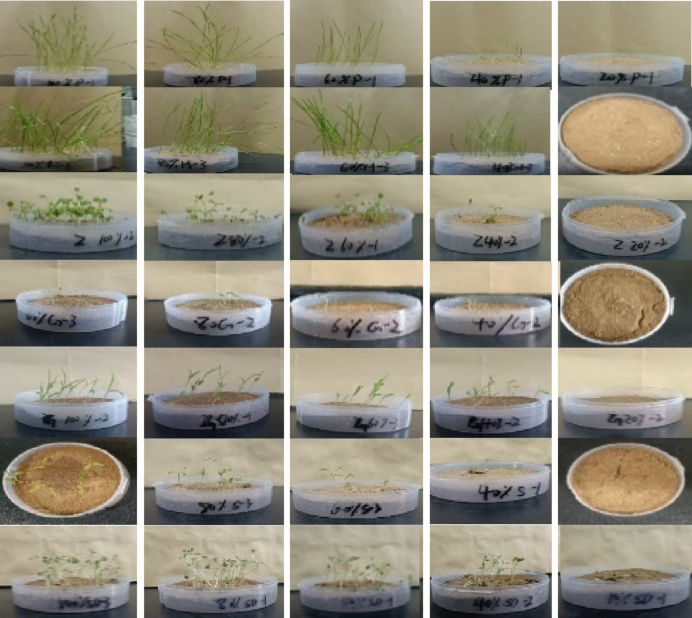
This study evaluated the drought resistance of seven dominant plant species from the Inner Mongolia desert steppe during seed germination to identify suitable species for ecological restoration of arid mining dumps. Seeds were subjected to soil moisture gradients ranging from 2.56% to 12.77% to simulate drought stress. Germination percentage, growth parameters, germination index, simplified vigor index, and drought resistance index were measured. A multi-dimensional evaluation system was constructed using the membership function method. Results showed that with increasing water stress, germination parameters generally declined nonlinearly. Under severe drought (soil moisture 5.11%), Lolium perenne and Melilotus officinalis exhibited significantly higher germination rates than other species (P<0.05). Comprehensive evaluation ranked drought resistance as: Lolium perenne > Melilotus officinalis > Setaria viridis > Elymus dahuricus > Medicago sativa > Astragalus adsurgens > Artemisia oxycephala. These findings indicate that Lolium perenne, Melilotus officinalis, and Setaria viridis possess strong drought resistance and can serve as pioneer species for vegetation reconstruction in mining areas. Furthermore, a soil moisture content of 5.11% (40% of field capacity) was identified as the lower threshold for seed germination, providing a quantitative basis for water management in arid mining ecological restoration.

Drought Resistance Evaluation of Dominant Species in Inner Mongolia Desert Steppe During Seed Germination
Graphical Abstract
Original ResearchVol. 20, Issue 6 • pp. 100-112DOI: 10.12030/j.cjee.202511004Jan 15, 2026

Diffusion Coefficient and Microbial Community Structure Dynamics During Acclimation of Encapsulated Immobilized Denitrifying Bacteria

Authors: LI Hua, ZHAI Luoluo, DUAN Yafei, DONG Hongbiao, MA Yanwu, ZHANG Jiasong, JU

To address nitrate nitrogen accumulation in aquaculture tailwater, a core-shell encapsulated immobilized denitrifying bacterial capsule containing lychee seed powder and denitrifying activated sludge was developed. The capsule's micro-morphology, bacterial activity recovery, growth, community structure changes, and diffusion coefficient dynamics during acclimation were investigated. The capsule shell exhibited a honeycomb porous structure with an average pore size of (0.25 ± 0.063) μm. Denitrifying bacterial activity recovered rapidly, with nitrate nitrogen removal efficiency stabilizing at 83.61% by day 21. Biomass within the capsules increased progressively, reaching (21.96 ± 0.28) mg·(g-pellet)−1 on day 30. The effective diffusion coefficient decreased with biomass growth, dropping to 0.232 × 10⁻⁹ m²·s−1 by day 30. Organic carbon source and encapsulation acclimation environment altered the microbial community structure; after acclimation, dominant genera were Methylobacterium (22.8%), Brevibacillus (18.1%), and Azospirillum (17.3%). Denitrifying bacteria containing nirS- and nirK- genes predominantly belonged to Proteobacteria (>99%). Genera involved in organic carbon metabolism and denitrification, including Bosea, Bradyrhizobium, Rhizobacter, and Alicycliphilus, increased in abundance. The encapsulated denitrifying bacteria exhibited short activity recovery time and excellent denitrification performance, making them suitable for denitrification of aquaculture tailwater or other low C/N ratio wastewater.

Diffusion Coefficient and Microbial Community Structure Dynamics During Acclimation of Encapsulated Immobilized Denitrifying Bacteria
Graphical Abstract
Original ResearchVol. 20, Issue 6 • pp. 100-112DOI: 10.12030/j.cjee.202510034Jan 15, 2026

Chloride-Enhanced Fe(II)/PMS/H2O2 System for Degradation of PBTC and Simultaneous Recovery of Iron Phosphate

Authors: WEN Shuozhao, LIU Xueyu, LI Jiaqian, WU Xiangyang, LING Yu, GUO Zhenjie, LI Guowen, LI Yibing, ZHANG Juanjuan

Phosphonate wastewater, characterized by stable C–P bonds, poses significant environmental risks due to its resistance to degradation and potential to contribute to eutrophication. This study developed a chloride-enhanced Fe(II)/PMS/H2O2 system for the oxidative degradation of 2-phosphonobutane-1,2,4-tricarboxylic acid (PBTC) and simultaneous recovery of phosphorus as iron phosphate (FePO4). Under optimal conditions (0.1 mmol/L PBTC, 1.0 mmol/L Fe(II), 0.5 mmol/L PMS, 0.5 mmol/L H2O2, 10 mmol/L NaCl, initial pH 3.0, 60 min), total phosphorus (TP) removal reached 100%, with phosphorus nearly completely recovered as FePO4 precipitate. Increasing NaCl concentration and temperature enhanced TP removal, while pH significantly influenced removal efficiency and product speciation; acidic conditions (pH < 4.3) favored FePO4 precipitation. Coexisting Ca2+ and Mg2+ had negligible effects, whereas HCO3− and humic acid (HA) inhibited TP removal in a concentration-dependent manner. Radical quenching and electron spin resonance (ESR) analyses identified hydroxyl radicals (•OH), ferryl ion (Fe(IV)=O), sulfate radicals (SO4•−), and chlorine radicals (Cl•) as primary reactive species, with •OH playing a dominant role. Chloride introduction promoted the generation of multiple reactive species, and Cl• and its derivative Cl2•− directly attacked the C–P bond and phosphonate group, facilitating phosphorus release as PO43− and subsequent FePO4 formation. The system's feasibility was validated using actual industrial circulating cooling water. This study provides a novel approach for phosphonate wastewater treatment and phosphorus recovery.

Chloride-Enhanced Fe(II)/PMS/H2O2 System for Degradation of PBTC and Simultaneous Recovery of Iron Phosphate
Graphical Abstract
Original ResearchVol. 20, Issue 6 • pp. 100-112DOI: 10.12030/j.cjee.202503016Jan 15, 2026

Microbial Mechanisms Underlying Soil Nutrient Availability in Vegetation Reconstruction of an Open-Pit Mining Area in Inner Mongolia

Authors: GOU Tienan, SUN Guohao, LI Jingguo, ZHANG Liming, ZENG Lixue, LI Haichao, QU Laiye, ZHANG Naili

Open-pit coal mining severely damages soil and plant community structure and function, causing soil nutrient loss and ecological degradation. Vegetation reconstruction is a key measure for restoring degraded mining ecosystems, with the core challenge being the selection of suitable plant species and optimization of plant configurations. This study focused on the degraded ecosystem of the Baiyinhua open-pit mine in Inner Mongolia, screening native plant species for vegetation reconstruction experiments to investigate early-stage changes in soil nutrient availability and the underlying microbial mechanisms. Results showed that soil physicochemical properties and fungal community diversity exhibited strong adaptability during early reconstruction. However, soil fungal community composition and the relative abundance of saprotrophic fungi differed significantly among plant configurations. Leymus chinensis significantly increased the proportion of soil saprotrophic fungi from 67.28% in the control to 81.63%, while reducing the relative proportion of pathogenic fungi from 15.63% to 4.33%, demonstrating its potential to enhance soil health. Medicago rivularis improved soil microbial community composition and increased soil available phosphorus content, highlighting its capacity as an excellent pioneer species for optimizing soil nutrient availability. Furthermore, mixed sowing of grasses and legumes showed potential to enhance the nitrogen-fixing effect of legumes. Given the significant positive correlation between soil fungal community composition and total nitrogen and available nitrogen, the effects of different plant configurations on soil nutrient availability and biological health likely stem largely from the regulation of soil fungal community composition. In conclusion, achieving the goal of selecting optimal plant configurations still requires long-term continuous observation and analysis, particularly for optimizing configurations between high-quality grasses like Leymus chinensis and legumes.

Microbial Mechanisms Underlying Soil Nutrient Availability in Vegetation Reconstruction of an Open-Pit Mining Area in Inner Mongolia
Graphical Abstract
Original ResearchVol. 20, Issue 6 • pp. 100-112DOI: 10.12030/j.cjee.202509055Jan 15, 2026

Magnetic Field Modulation of Microbial Functional Specialization for Optimizing Environmental Bioprocesses: A Review

Authors: WANG Guoliang, KANG Jiaqi, LI Ruixiang, LI Tian

Microbial communities are the core functional units in environmental biotechnology. Magnetic field technology, as a non-invasive physical enhancement method, has shown application potential in wastewater treatment and waste resource recovery. Traditional ecological theory posits a positive correlation between species diversity and system function/stability. However, magnetic field enhancement often coincides with improved system performance and decreased microbial diversity, indicating a decoupling. This review systematically explains this phenomenon as the result of magnetic field-driven functional specialization of microbial communities. Magnetic fields act on paramagnetic targets in energy metabolism, including iron-sulfur clusters and cytochromes, alter cell surface physicochemical properties, impose oxidative stress, and select strains with high metabolic flexibility, thereby achieving targeted enrichment of key functional groups such as ammonia-oxidizing bacteria and electroactive bacteria within Proteobacteria. Although such functionally specialized communities have reduced species richness, they exhibit higher energy metabolism efficiency, enhanced electron transfer capacity, optimized interspecies cooperation networks, and strengthened system robustness. These advantages collectively support efficient and stable macroscopic bioprocess performance. This study also discusses potential limitations regarding ecosystem resilience and scenario dependence, and envisions future directions such as quantitative modeling and synergy with magnetic materials to advance magnetic field technology from empirical application to rational design.

Magnetic Field Modulation of Microbial Functional Specialization for Optimizing Environmental Bioprocesses: A Review
Graphical Abstract
Original ResearchVol. 20, Issue 6 • pp. 100-112DOI: 10.12030/j.cjee.202509031Jan 15, 2026

Carbon Footprint and Environmental Benefits of Waste Television Dismantling and Recycling: A Life Cycle Assessment Study

Authors: LI Huan, XU Zi-yin, JIANG Yuan-yuan, WU Tian, CHEN Meng-jun

This study establishes a carbon footprint calculation method and an environmental benefit assessment model for the dismantling process of waste televisions (TVs) based on life cycle assessment (LCA). Activity data on energy consumption and material flows were collected from typical treatment enterprises via field investigation. The ReCiPe 2016 model was applied to quantify midpoint and endpoint environmental impacts. Results show that the dismantling and recycling process yields net environmental benefits in most impact categories. At the midpoint level, significant reductions were observed in fossil resource scarcity (−26,494.23 kg oil eq), freshwater ecotoxicity (−2.21×10^4 kg 1,4-DCB), and greenhouse gas emissions (−956.53 kg CO2 eq). At the endpoint level, reductions in human health damage (−1.59×10^4 DALY), ecosystem damage (−2.35×10^4 species·yr), and resource depletion costs (−4.22×10^4 USD) were achieved. Carbon footprint analysis indicates that the carbon footprint per TV ranges from 0.231 to 0.247 kg CO2 eq per unit, with electricity consumption as the dominant emission source. Sensitivity analysis reveals that electricity consumption significantly influences the carbon footprint. Finally, emission reduction recommendations are proposed from aspects of equipment upgrade and energy management, providing theoretical basis and practical guidance for low-carbon treatment of electronic waste.

Carbon Footprint and Environmental Benefits of Waste Television Dismantling and Recycling: A Life Cycle Assessment Study
Graphical Abstract
Original ResearchVol. 20, Issue 6 • pp. 100-112DOI: 10.12030/j.cjee.202511057Jan 15, 2026

Effects of Field Application of Sewage Sludge Aerobic Fermentation Products on Antibiotic Resistance Gene Prevalence in Pakchoi (Brassica chinensis L.)

Authors: MA Shijin, HE Dahai, WANG Bin, HE Ruoxue, ZHOU Litao, LI Jiang, JU, HAI Lipeng

To investigate the effects of applying sewage sludge aerobic fermentation products on antibiotic resistance genes (ARGs) in the rhizosphere soil and phyllosphere of pakchoi (Brassica chinensis L.), field experiments were conducted with three treatments: sludge product (sludge group), chemical fertilizer (fertilizer group), and no fertilizer (control). Antibiotic residues, abundances of ARGs and mobile genetic elements (MGEs) were measured in rhizosphere soil and phyllosphere, and microbial community composition and virulence factor (VF) contributions were annotated via metagenomics. Results showed that antibiotic concentrations in rhizosphere soil were generally higher than in phyllosphere. Compared with control, sludge application increased soil antibiotic content by 12.70%, whereas fertilizer increased it by only ~3%, indicating a more significant exogenous input from sludge. At the resistance level, total ARG abundances in rhizosphere soil and phyllosphere of the sludge group increased by 25.47% and 73.08%, respectively, relative to control, with concurrent increases in beta-lactam resistance genes and MGEs such as integron intI1. Sludge application may enhance integron-mediated gene capture and horizontal transfer potential, driving resistance risk accumulation in both phyllosphere and rhizosphere soil. Conversely, fertilizer application reduced ARG abundances by 53.40% in rhizosphere soil and 13.50% in phyllosphere compared with control, consistent with decreased microbial community abundance and diversity, suggesting that reduction of host bacteria and dissemination vectors was a key reason. In community structure, Proteobacteria dominated the phyllosphere, while Chloroflexi dominated rhizosphere soil. Correlation networks identified Sphaerobacter thermophilus and Aggregatilinea lenta positively correlated with multiple ARGs (r≈0.95–1.00), whereas Solirubrobacter sp. CPCC_204708 was negatively correlated (r≈−0.91). Virulence factor contributions followed trends similar to ARGs. Sludge fermentation products simultaneously increased ARG prevalence and related risk indicators in both rhizosphere soil and phyllosphere of pakchoi, providing a reference for risk identification and safe application of sludge fermentation products in agriculture.

Effects of Field Application of Sewage Sludge Aerobic Fermentation Products on Antibiotic Resistance Gene Prevalence in Pakchoi (Brassica chinensis L.)
Graphical Abstract
Original ResearchVol. 20, Issue 6 • pp. 100-112DOI: 10.12030/j.cjee.202510029Jan 15, 2026

Optimization of Thermal Hydrolysis Pretreatment of Corn Straw for Enhanced Methane Production

Authors: LI Zhibo, XIE Juan, HAN Yongchen, LI Su, WANG Xiaochang, LI Yuyou, CHEN Rong, XING Baoshan

Low hydrolysis efficiency is a core bottleneck in anaerobic digestion (AD) of lignocellulosic agricultural residues, limiting methane production and resource utilization. This study optimized thermal hydrolysis pretreatment (THP) of corn straw (CS) using response surface methodology (RSM) to enhance methane yield. The optimal conditions were determined as solid-to-liquid ratio of 51.0–57.5 mg·mL−1, pretreatment time of 74–81 min, and temperature of 182.5–197.5 °C. Under the optimal combination (52.3 mg·mL−1, 78.4 min, 191 °C), cumulative methane yield increased from 218.0 to 362.9 mL·g−1 VS, a 66.7% improvement over untreated CS. Characterization via XRD, FTIR, and SEM revealed that THP disrupted the lignocellulosic structure, reducing lignin content from 21.5% to 8.3% and crystallinity index (CrI) from 70.83% to 61.95%. Inhibitory derivatives generated during THP included furfural (1.69 mg·mL−1), 5-methylfurfural (2.44 mg·mL−1), and phenol (23.14 mg·L−1), with a theoretical combined inhibition rate of 7.26%. The promotion effect on methane production (66.7%) far exceeded the theoretical inhibition (7.26%), indicating that THP under optimized conditions is effective and environmentally controllable. This study provides a systematic framework for optimizing THP parameters to maximize methane production from agricultural residues.

Optimization of Thermal Hydrolysis Pretreatment of Corn Straw for Enhanced Methane Production
Graphical Abstract
Original ResearchVol. 20, Issue 6 • pp. 100-112DOI: 10.12030/j.cjee.202510056Jan 15, 2026

Pilot Trial on Endogenous Pollution Control in Hejia Ditch, Harbin: Efficacy and Mechanisms of Sediment Elutriation

Authors: WANG Huazhe, MENG Zhaohui, WANG Miao, GUO Wanqian

To support the construction of an ecologically clean small watershed in Harbin, a pilot-scale trial of sediment elutriation was conducted in the Hejia Ditch to evaluate its effectiveness in controlling endogenous pollution and to elucidate the underlying mechanisms. After treatment, sediment organic matter, total nitrogen (TN), and total phosphorus (TP) decreased by 5.11%, 10.19%, and 8.71%, respectively. Water transparency, dissolved oxygen (DO), and oxidation-reduction potential (ORP) increased by 102.46%, 11.07%, and 15.66%, while chemical oxygen demand (COD) and ammonia nitrogen (NH4+-N) removal rates reached 35.67% and 22.65%. The technology effectively removed surface suspended sediment, leaving a stable layer of coarse inorganic particles that formed a clear mud-water interface. Post-treatment, clay content decreased by 8.87%, sand content increased by 12.37%, and median (D50) and 90th percentile (D90) particle sizes increased by 32.39% and 159.97%, respectively. Mechanical disturbance and particle size redistribution enhanced oxygen transfer at the interface, increasing the abundance of facultative anaerobic phyla such as Chloroflexi and Spirochaetes, thereby suppressing the generation of odorous gases (H2S, NH3) and preventing sediment resuspension. Increased microbial diversity and richness improved ecosystem stability and self-purification capacity. These results demonstrate that sediment elutriation is an effective method for controlling endogenous pollution in Hejia Ditch, providing a scientific basis for ecological restoration and long-term management.

Pilot Trial on Endogenous Pollution Control in Hejia Ditch, Harbin: Efficacy and Mechanisms of Sediment Elutriation
Graphical Abstract
Original ResearchVol. 20, Issue 6 • pp. 100-112DOI: 10.12030/j.cjee.202511041Jan 15, 2026

Electron-Driven Processes for Sustained Dark Hydroxyl Radical Generation under Redox Fluctuations in Mangrove Soils

Authors: DONG Junjie, LIN Dong, LIAO Zehua, LU Yaobin, LUAN Tiangang

Hydroxyl radicals (·OH) generated via dark reactions under fluctuating redox conditions significantly influence pollutant degradation and elemental cycling, yet the key electron supply mechanisms driving their sustained production remain unclear. This study aimed to elucidate the electron-driven processes underlying sustained dark ·OH generation in mangrove soils under redox fluctuations. Simulated tidal redox cycles were conducted, and electron donating capacity (EDC), three-dimensional fluorescence spectroscopy, nuclear magnetic resonance, and high-throughput sequencing were employed to analyze the dynamics of different Fe(II) species, key organic matter components, and microbial communities. Results demonstrated that, without exogenous electron donors, mangrove soils exhibited stable ·OH generation potential and EDC. During early redox cycles, total EDC of soil suspensions was dominated by reactive Fe(II), while the contribution of reduced organic matter increased over time, with solid-phase components accounting for 94.5%–97.6% of total EDC. Humic acids in soil organic matter facilitated reversible electron transfer via quinone functional groups, maintaining redox activity. Geothermobacter and Desulfobulbus were identified as dominant iron-reducing bacteria, likely key microorganisms for regenerating the "iron-organic matter" electron sources. This study reveals the mechanisms of endogenous electron donor regeneration and sustained dark ·OH generation mediated by iron and organic matter cycling in mangrove soils, providing theoretical support for understanding the long-term environmental effects of ·OH in tidal environments and its impact on biogeochemical cycles.

Electron-Driven Processes for Sustained Dark Hydroxyl Radical Generation under Redox Fluctuations in Mangrove Soils
Graphical Abstract
Original ResearchVol. 20, Issue 6 • pp. 100-112DOI: 10.12030/j.cjee.202510072Jan 15, 2026

Optimization of CFD Simulation Parameter Settings for Flow Fields with Porous Structures

Authors: ZHU Deqing, CHEN Tingguo, REN Chengjiao, WANG Ke

Porous structures are widely used in hydraulic and pneumatic systems for flow rectification and throttling, reducing velocity, regulating pressure, and improving flow stability. Numerical simulation is a common approach to study such flows, yet the lack of standardized parameter settings often leads to user-dependent errors. This study, based on the CFD software Fluent, systematically analyzes nine key parameters across three core stages: modeling, mesh generation, and solver settings. Under both quasi-2D and 3D configurations, the influence and underlying mechanisms of each parameter on simulation results are revealed, and a reference parameter-setting method is proposed. The method is validated against wind tunnel experiments, showing that the simulated average velocity reduction ratio γS deviates from experimental values by less than 6%, confirming its reliability and applicability. This work provides a basis for standardized parameter settings in numerical simulations of porous structures, enhancing consistency and predictive accuracy.

Optimization of CFD Simulation Parameter Settings for Flow Fields with Porous Structures
Graphical Abstract
Original ResearchVol. 20, Issue 6 • pp. 100-112DOI: 10.12030/j.cjee.202510081Jan 15, 2026

Nitrogen-Vacancy Defective Carbon Nitride Modified Graphite Felt Cathode for Efficient Electrochemical Synthesis of Hydrogen Peroxide

Authors: XIE Wanghong, HU Huawei, ZHANG Xinwan, YANG Zhengwu, LU Zilan, ZHU Leilei, JIA Daqing, ZHANG Lehua

Electrochemical two-electron oxygen reduction (2e−ORR) for hydrogen peroxide (H2O2) synthesis faces challenges of low cathodic catalytic efficiency and complex catalyst preparation. This study prepared nitrogen-vacancy (Nv) rich carbon nitride via one-step pyrolysis, composited with carbon nanotubes (CNT), and loaded onto graphite felt (GF) to fabricate a non-precious metal gas diffusion electrode Nv-C3N4-CNT/GF. The electrode exhibited a three-dimensional fibrous skeleton with interconnected micro-nano hierarchical pores, facilitating efficient electron transport. Electrochemical impedance spectroscopy revealed a low charge transfer resistance of 13.26 Ω, indicating superior electrocatalytic activity and charge transfer efficiency. Single-factor experiments and response surface methodology (RSM) optimization determined optimal conditions: calcination temperature 300 °C, catalyst mass ratio 3:1, Nv-C3N4-CNT loading 0.1 g, current density 40 mA·cm−2, pH 7, and aeration rate 0.1 L·min−1. Under these conditions, H2O2 accumulation reached 1622.73 mg·L−1 after 90 min, which was 1.3 and 1.5 times higher than g-C3N4-CNT/GF and CNT/GF electrodes, respectively. Stability tests showed that after 6 cycles, H2O2 production remained at 1400.52 mg·L−1, and within 960 min, the maximum production reached 2014.04 mg·L−1 with a highest Faradaic efficiency of 54.86%. These results demonstrate the electrode's potential for cyclic use. This study provides a new approach for developing efficient, low-cost electrodes for electrosynthesis of H2O2, offering a reference for green H2O2 production.

Nitrogen-Vacancy Defective Carbon Nitride Modified Graphite Felt Cathode for Efficient Electrochemical Synthesis of Hydrogen Peroxide
Graphical Abstract
Original ResearchVol. 20, Issue 6 • pp. 100-112DOI: 10.12030/j.cjee.202512042Jan 15, 2026

Carbon Deposition Pore-Narrowing Modification of Activated Carbon for Adsorption of Chlorinated Volatile Organic Compounds

Authors: GUO Zhen, LU Hongjie, WEI Fangda, WEN Kai, WU Feng, LI Jinjun

Chlorinated volatile organic compounds (CVOCs) such as dichloromethane (DCM), dichloroethane (DCE), trichloroethylene (TCE), and chlorobenzene (CB) are hazardous air pollutants requiring efficient removal. This study modified a commercial activated carbon (AC) via high-temperature treatment and phenol cracking carbon deposition to tailor its pore structure for enhanced adsorption of small-molecule CVOCs. The modified material (AC-M) exhibited a significant increase in ultramicropore volume (<0.8 nm), leading to a 24.2% increase in DCM adsorption capacity under dry conditions and superior water vapor resistance. Surface oxygen-containing functional groups decreased, enhancing hydrophobicity and mitigating water cluster formation. Adsorption kinetics analysis revealed that AC-M had a 39% higher total adsorption rate constant for DCM and a 22% reduction in mass transfer zone height, indicating faster adsorption. However, for larger CVOCs (DCE, TCE, CB), adsorption capacities slightly decreased due to reduced specific surface area, suggesting their adsorption relies more on micropores of matching size. This work provides a theoretical basis for designing efficient adsorbents for small-molecule CVOCs control.

Carbon Deposition Pore-Narrowing Modification of Activated Carbon for Adsorption of Chlorinated Volatile Organic Compounds
Graphical Abstract
Original ResearchVol. 20, Issue 6 • pp. 100-112DOI: 10.12030/j.cjee.202511078Jan 15, 2026

Multi-step Wet Enhanced Removal of Chlorine and Heavy Metals from Municipal Solid Waste Incineration Fly Ash

Authors: CHEN Hua, LAN Zhicong, HUANG Xingzhu, ZHU Nengwu, JU

Municipal solid waste incineration (MSWI) fly ash contains high levels of soluble chlorine and heavy metals, posing environmental risks. This study employed a sequential wet treatment process (water washing–water washing–acid washing–water washing) at a low liquid-to-solid ratio of 2:1 L·kg⁻¹ to enhance the removal of chlorine and heavy metals. Acetic acid and a mixed acid (acetic acid:sulfuric acid molar ratio 1:1) were used as acid washing agents. Results showed that the soluble chlorine content decreased from 23.96% in the raw ash to approximately 0.6%, achieving a removal efficiency of 97.5%. The 3 mol·L⁻¹ acetic acid group exhibited high removal efficiencies for Pb, Cu, and Cd at 52.97%, 29.60%, and 61.54%, respectively, while increasing the stable fraction of heavy metals. However, excessive dissolution of Ca and Al occurred. The mixed acid group demonstrated a 6.9-fold higher 'calcium retention' capacity compared to acetic acid alone, attributed to the presence of sulfate. After treatment, the leaching concentrations of Pb and Zn were significantly reduced to 0.001 mg·L⁻¹ and 0.05 mg·L⁻¹, respectively, meeting the limits of the 'Technical Specification for Pollution Control of MSWI Fly Ash' (HJ 1134—2020). The treated ash exhibited a CaO-SiO₂-MgO-Al₂O₃ system, suitable for building material applications. This study provides technical support for on-site, building-material-oriented disposal of MSWI fly ash.

Multi-step Wet Enhanced Removal of Chlorine and Heavy Metals from Municipal Solid Waste Incineration Fly Ash
Graphical Abstract
Original ResearchVol. 20, Issue 6 • pp. 100-112DOI: 10.12030/j.cjee.202506024Jan 15, 2026

Simultaneous Distillation Extraction Coupled with Derivatization and GC-MS for Multi-Residue Determination of Phenolic Compounds in Wastewater

Authors: YANG Zijia, ZHOU Yiqi

A simple, economical method for the multi-residue determination of phenolic compounds in wastewater was developed using simultaneous distillation extraction (SDE) combined with derivatization and gas chromatography-mass spectrometry (GC-MS). The effects of extraction time, salt concentration, and pH on extraction efficiency were investigated. Optimal recovery was achieved with the addition of 10 g·L−1 NaCl, adjustment of pH to 4, and extraction with dichloromethane for 2.5 h. Under these conditions, recoveries for spiked concentrations of 100 ng·L−1 and 1,000 ng·L−1 ranged from 58.92% to 91.08% (RSD 2.97%–8.60%, n=3) and 68.83% to 109.88% (RSD 3.06%–7.22%, n=3), respectively. Limits of quantification (LOQ) were between 8.46 and 59.67 ng·L−1, with good linearity over the range of 10.0–1,000 ng·L−1. The method integrates extraction and purification in a single step, reducing sample preparation steps and organic solvent consumption, while improving sample throughput and recovery. Derivatization enhances sensitivity, enabling the detection of ultra-trace phenolic multi-residues in complex matrices such as influent of wastewater treatment plants.

Simultaneous Distillation Extraction Coupled with Derivatization and GC-MS for Multi-Residue Determination of Phenolic Compounds in Wastewater
Graphical Abstract
Original ResearchVol. 20, Issue 6 • pp. 100-112DOI: 10.12030/j.cjee.202511076Jan 15, 2026

Distribution and Enrichment Characteristics of Heavy Metals in Soil and Plants Along an Altitude Gradient in the Northern and Southern Mountains of Lhasa

Authors: LIU Xianlun, AN Baosheng, WANG Chuanfei, LI Jiule, WANG Weicai, WANG Zhongyan

This study investigated the altitudinal distribution and enrichment characteristics of heavy metals in the soil-plant system of the northern and southern mountains of Lhasa on the Tibetan Plateau. Soil and dominant plant samples were collected from three sites along an elevation gradient from 3,650 to 4,150 m, and concentrations of Cr, Cd, Cu, Zn, Ni, As, and Pb were analyzed. Soil heavy metal concentrations ranged from 0.06 to 184.4 mg·kg−1, with all elements except Cd and Pb exceeding local background values. Plant heavy metal concentrations were within normal ranges, indicating no obvious stress. Correlation analysis revealed significant positive correlations between soil Zn and Cd, Cr and Ni, and plant Zn and Cu. Except for Cr, Cu, and Cd, plant and soil concentrations of the same element were significantly correlated. Bioconcentration factor (BCF) analysis showed that most plants had weak enrichment capacity (BCF < 1), but five species, including Ephedra sinica and Rheum likiangense, exhibited BCF > 1 for Cd, with R. likiangense showing the highest BCF of 4.01. The enrichment capacity varied with altitude and species. Potential ecological risk assessment indicated that Cd posed a relatively high risk in plants, warranting attention. This study fills a gap in understanding the spatial distribution and enrichment of heavy metals in this region, providing a scientific basis for ecological management and environmental protection.

Distribution and Enrichment Characteristics of Heavy Metals in Soil and Plants Along an Altitude Gradient in the Northern and Southern Mountains of Lhasa
Graphical Abstract
Original ResearchVol. 20, Issue 6 • pp. 100-112DOI: 10.12030/j.cjee.202509004Jan 15, 2026

Experimental Study on Purification of Acetone Waste Gas by a Novel Composite Absorbent

Authors: CHEN Changtao, MENG Haoyu, ZHOU Hongming, ZHANG Feng, LONG Chao

Acetone, a widely used solvent in the pharmaceutical industry, poses environmental and economic challenges due to its high volatility and the low concentration of acetone in water-based absorbents, which complicates recovery. This study proposes a composite absorbent comprising 1,4-butanediol (BDO), triethylene glycol, sodium citrate, and water, aiming to enhance acetone absorption capacity and enable cost-effective resource recovery. Response surface methodology optimized the absorbent composition to BDO 35%, triethylene glycol 10%, and sodium citrate 5%, achieving an acetone absorption capacity of 51.97 g·kg−1, which is 2.39 times that of pure water (21.77 g·kg−1). Density functional theory (DFT) calculations and AIM topological analysis revealed that BDO forms stronger hydrogen bonds with acetone, characterized by shorter bond lengths and higher electron density, underpinning its superior molecular recognition and absorption capability. Process simulation of absorption-regeneration cycles demonstrated that, compared to pure water, the composite absorbent reduces absorbent consumption by 36.2% and regeneration energy consumption by 41.15% while achieving effluent acetone concentrations below 100 mg·m−3. This multi-scale investigation, spanning macroscopic experiments, molecular mechanisms, and process simulation, validates the feasibility and advantages of BDO-based composite absorbents for VOC control, providing theoretical and data support for the engineering application of alcohol-based absorbents in efficient organic pollutant separation.

Experimental Study on Purification of Acetone Waste Gas by a Novel Composite Absorbent
Graphical Abstract
Original ResearchVol. 20, Issue 6 • pp. 100-112DOI: 10.12030/j.cjee.202511002Jan 15, 2026

Adsorption and High-Temperature Nitrogen Desorption Performance and Mechanism of Granular Activated Carbon for Large-Air-Volume Low-Concentration PCE-Containing Waste Gas

Authors: HUANG Yuting, MA Ling, CAI Yufei, WANG Zhentao, WANG Yuxuan, JIN Ke, JIANG Xingyu, ZHAO Weirong

To treat large-air-volume, low-concentration volatile organic compounds (VOCs) containing tetrachloroethylene (PCE) generated from rubber-metal bonding, this study systematically investigated the adsorption-desorption behavior and interaction mechanisms of PCE, toluene, and methyl isobutyl ketone (MIBK) on granular activated carbon (GAC). Static adsorption experiments showed that PCE adsorption capacity reached 556.6 mg·g−1, while dynamic multi-component adsorption capacity was 179.6 mg·g−1. Kinetic analysis indicated that PCE adsorption was controlled by both intraparticle diffusion and external surface adsorption, whereas toluene and MIBK were primarily intraparticle diffusion-limited. During high-temperature nitrogen desorption, PCE underwent dechlorination, hydrogenation, and recombination, producing trichloroethylene, 1,2-dichloroethane, 1,2-dichloropropane, and HCl, with HCl accounting for 3.61% of the chlorine molar content in adsorbed PCE. After four adsorption-desorption cycles, the iodine value of GAC dropped below the industry standard of 600 mg·g−1; however, water washing and alkali immersion extended the cycle life to 8 and 9 cycles, respectively. The HCl generation pattern in co-adsorption systems was consistent with single-PCE systems. A regeneration process combining alkali immersion and water washing was proposed and integrated into an engineering strategy. Compared to conventional activated carbon adsorption coupled with RTO incineration, the proposed classification strategy reduced annual costs by 49.5×10⁴ CNY. This work provides a cost-effective and safe solution for Cl-VOCs treatment.

Adsorption and High-Temperature Nitrogen Desorption Performance and Mechanism of Granular Activated Carbon for Large-Air-Volume Low-Concentration PCE-Containing Waste Gas
Graphical Abstract
Original ResearchVol. 20, Issue 6 • pp. 100-112DOI: 10.12030/j.cjee.202511098Jan 15, 2026

Determination of 2-Bromostyrene in Water by Headspace Solid-Phase Microextraction Coupled with Gas Chromatography-Mass Spectrometry

Authors: SU Zhaofan, ZHANG Zhong, WU Zihao

A highly sensitive analytical method for the determination of 2-bromostyrene in tap water and surface water was developed and optimized using headspace solid-phase microextraction (HS-SPME) coupled with gas chromatography-mass spectrometry (GC-MS). The extraction conditions were systematically optimized via single-factor experiments and an L9(34) orthogonal array with range analysis. The optimal conditions were: sample volume 10 mL, extraction time 30 min, extraction temperature 30 °C, stirring rate 1000 r·min−1, and 2.5 g NaCl as salting-out agent. The method exhibited good linearity over the range 100–5000 ng·L−1 (R² = 0.9994), with a detection limit of 13.8 ng·L−1 and a quantification limit of 55.3 ng·L−1. Recoveries from spiked tap water and surface water samples ranged from 90.2% to 102.2%, with relative standard deviations between 5% and 11%. Statistical tests (normal distribution, F-test, t-test) all yielded P > 0.05, confirming the method's reliability. The method is simple, sensitive, and exhibits minimal matrix effects, making it suitable for routine monitoring of trace 2-bromostyrene in drinking water and surface water.

Determination of 2-Bromostyrene in Water by Headspace Solid-Phase Microextraction Coupled with Gas Chromatography-Mass Spectrometry
Graphical Abstract
Original ResearchVol. 20, Issue 6 • pp. 100-112DOI: 10.12030/j.cjee.202511020Jan 15, 2026

Scenario Simulation and Case Study of Oil Spill Diffusion from Oil Pipelines Crossing Rivers

Authors: LIU Yuanwen, QU Jing, LIU Xiang, WANG Jiuping, WANG Shengxin, WANG Yifei, GAO Zuqiao, LYU Yu, LI Changbin

With the increasing number of oil pipelines crossing rivers, the potential risks of oil leakage and surface spreading to river ecosystems and water environments are becoming more severe. Scenario-based simulation of oil spill diffusion is a prerequisite for effective interception point placement and leakage risk prevention. Numerous factors influence oil spill diffusion, including environmental conditions, river hydrology, and accessibility of emergency resources. This study integrates these factors and multiple dynamic processes to design eight typical scenarios for oil spill diffusion simulation, considering emergency resource locations, river hydrological regimes, and leakage modes. A case study is conducted on an oil pipeline crossing a river in northwest China. Results indicate that the diffusion distance and affected area are primarily controlled by water conditions and emergency resource accessibility. In emergency management, the efficiency of maintenance and repair resources during high-water months should be prioritized. Mechanistically, external forces such as hydraulic and wind forces have a greater influence on diffusion distance, surpassing internal forces like gravity, viscosity, and surface tension within a short time. For river crossings near emergency resources, internal force effects should be considered in oil spill diffusion simulations. When emergency resource arrival times are long, the diffusion distance based on Fay's theory is relatively small and can be neglected in engineering practice. This study provides a computational basis and methodological reference for risk assessment and emergency response to potential oil spills from pipelines crossing rivers, enhancing the scientific and effective nature of risk prevention and emergency handling.

Scenario Simulation and Case Study of Oil Spill Diffusion from Oil Pipelines Crossing Rivers
Graphical Abstract
Original ResearchVol. 20, Issue 6 • pp. 100-112DOI: 10.12030/j.cjee.202511010Jan 15, 2026

Construction of Pd-Ru/Silicalite-1 Bimetallic Catalysts and Their Performance and Mechanism for Complete Methane Oxidation

Authors: WEI Yuwei, LYU Xuanzheng, MA Chunyan, XU Yan, SONG Maoyong

Complete catalytic oxidation of methane requires catalysts with high low-temperature activity, long-term thermal stability, and excellent water resistance for industrial application. This study constructed supported Pd-Ru/S-1 bimetallic catalysts using hydrophobic all-silica zeolite Silicalite-1 as support. Systematic catalytic performance tests evaluated methane oxidation activity, thermal stability, and water resistance, while multiple physicochemical characterizations revealed the reaction mechanism. Results showed that the catalyst with Pd/Ru ratio of 2:1 (2Pd-1Ru/S-1) exhibited optimal comprehensive performance, achieving T90 of 380 °C, maintaining 94% methane conversion at 375 °C for 48 h, and demonstrating excellent water resistance. Mechanistic studies indicated that PdO is the main active phase, and the reaction follows the Eley-Rideal (E-R) mechanism. The electronic synergy between Pd and Ru enhances the interaction between PdO and the support, effectively inhibiting sintering and water poisoning of active components. This study aims to provide a new strategy for industrial catalyst design to advance the industrialization of low-concentration methane catalytic technology, addressing its climate and pollution impacts.

Construction of Pd-Ru/Silicalite-1 Bimetallic Catalysts and Their Performance and Mechanism for Complete Methane Oxidation
Graphical Abstract